♢ Excavating Abandoned Artificial Life: A Case Study in Digital Media Archeology (2019)
This presentation discusses the H4aC project, which involved an abandoned computational entity within a sculpture. The entity existed in an ongoing evolutionary state, influenced by an algorithmic environment and datastreams from an energy plant. The machine generating the artificial life was retrieved in 2018, allowing for the reconstruction of the organism's phylogenetic path. The presentation explores technical challenges, the responsibility of artists and scientists towards artificial life, and potential implications for the broader field of artificial life and computational poetics. Presented at POM Beirut in 2019
Abstract
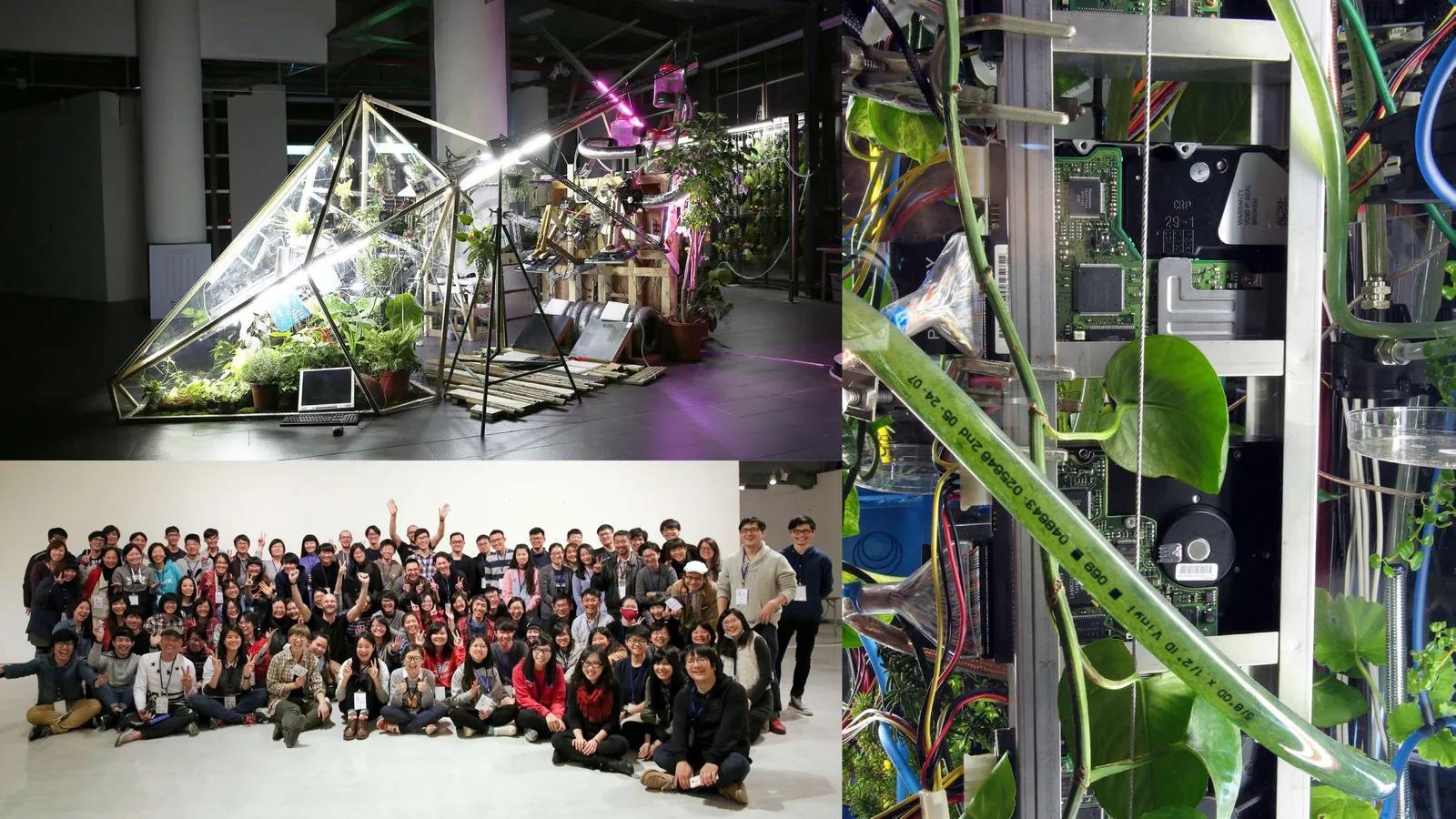
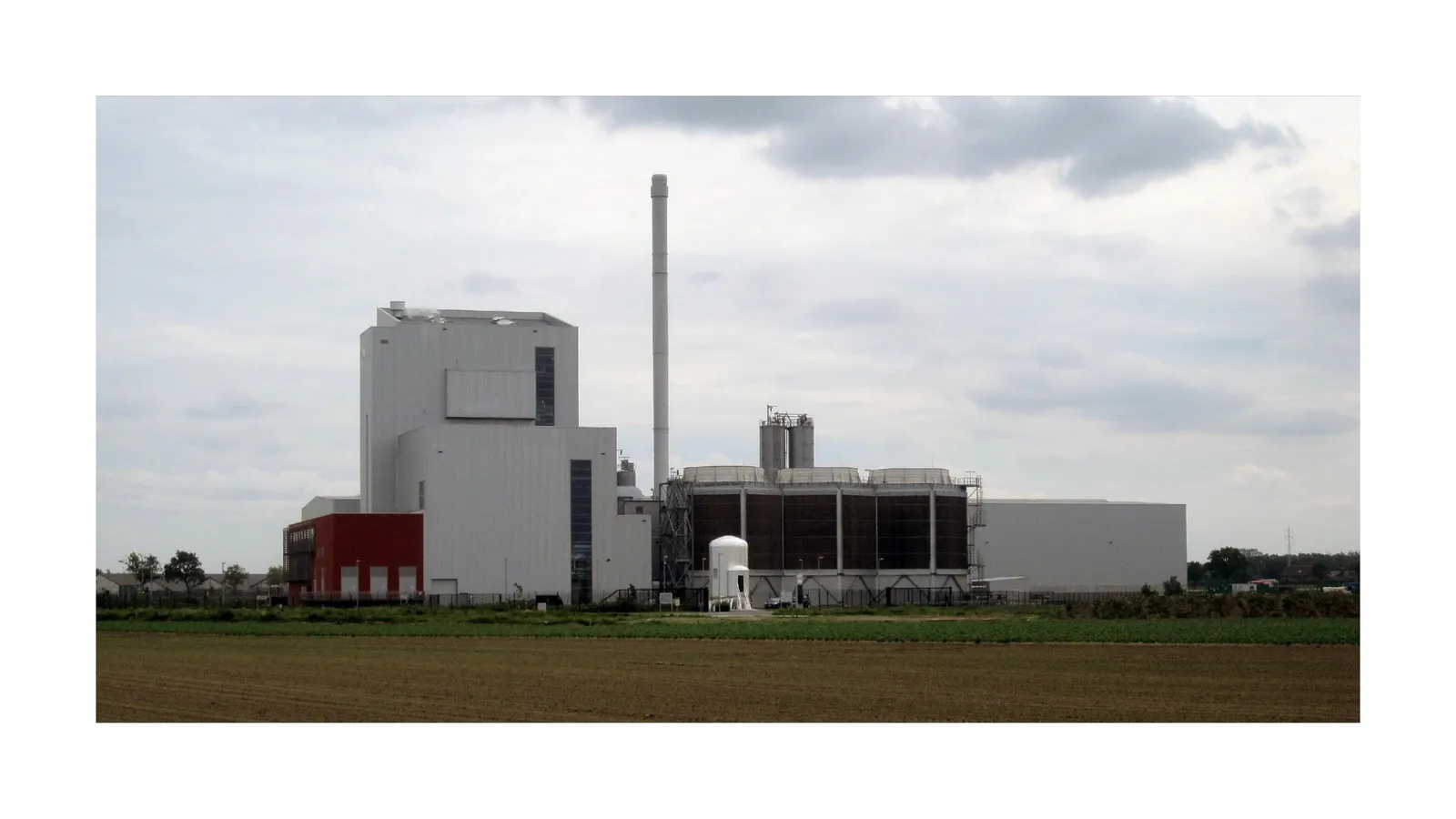
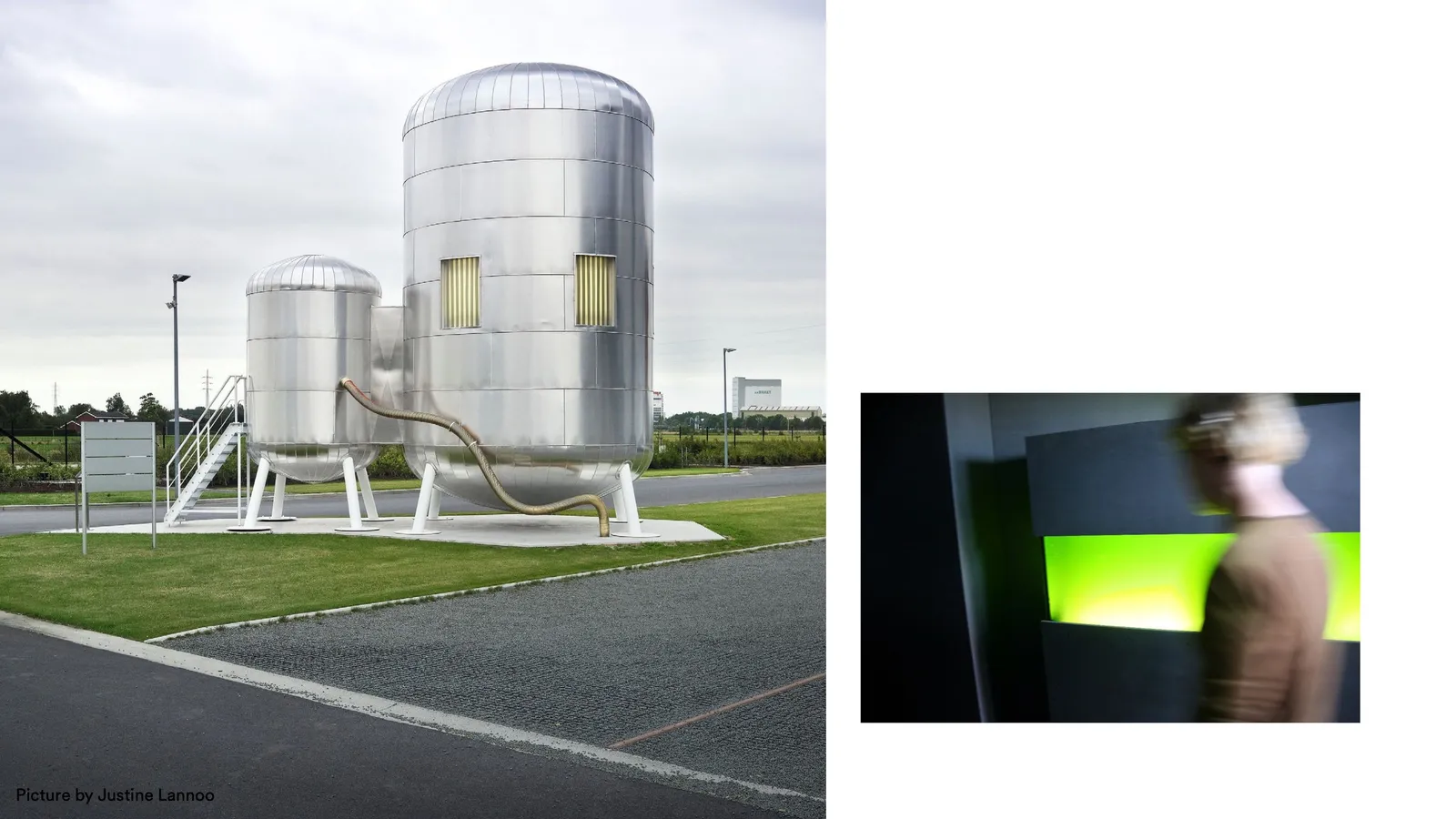
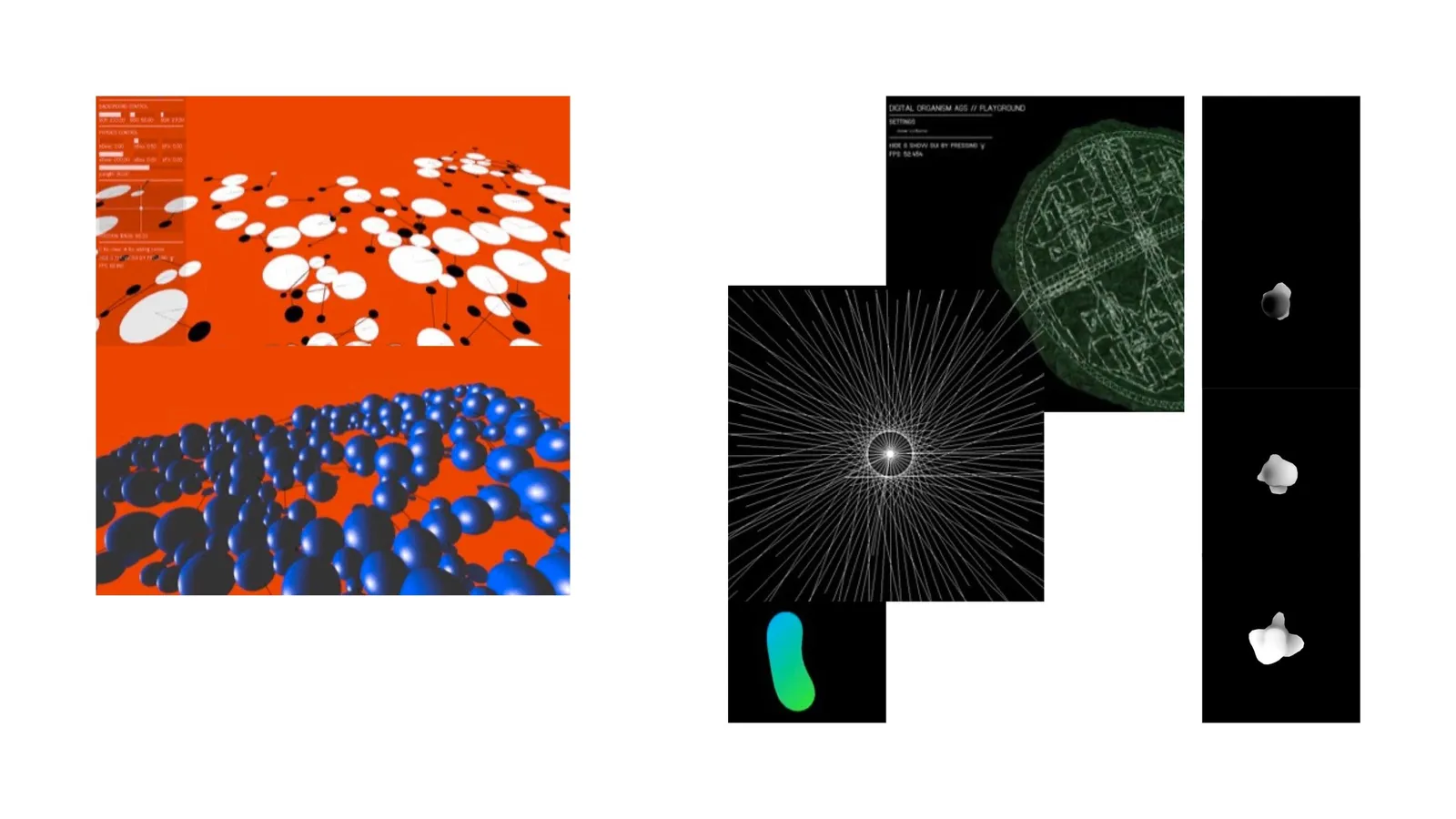
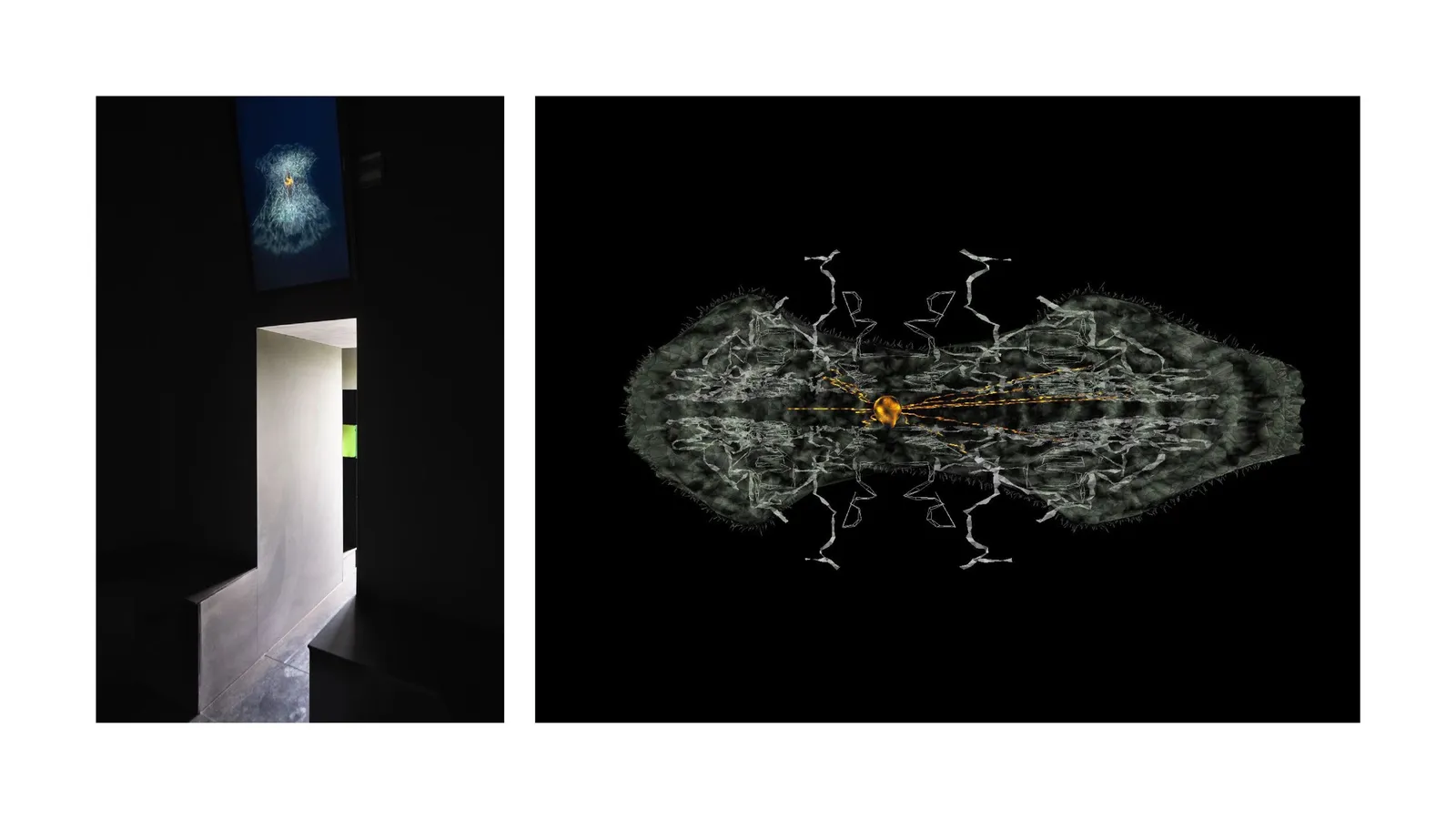
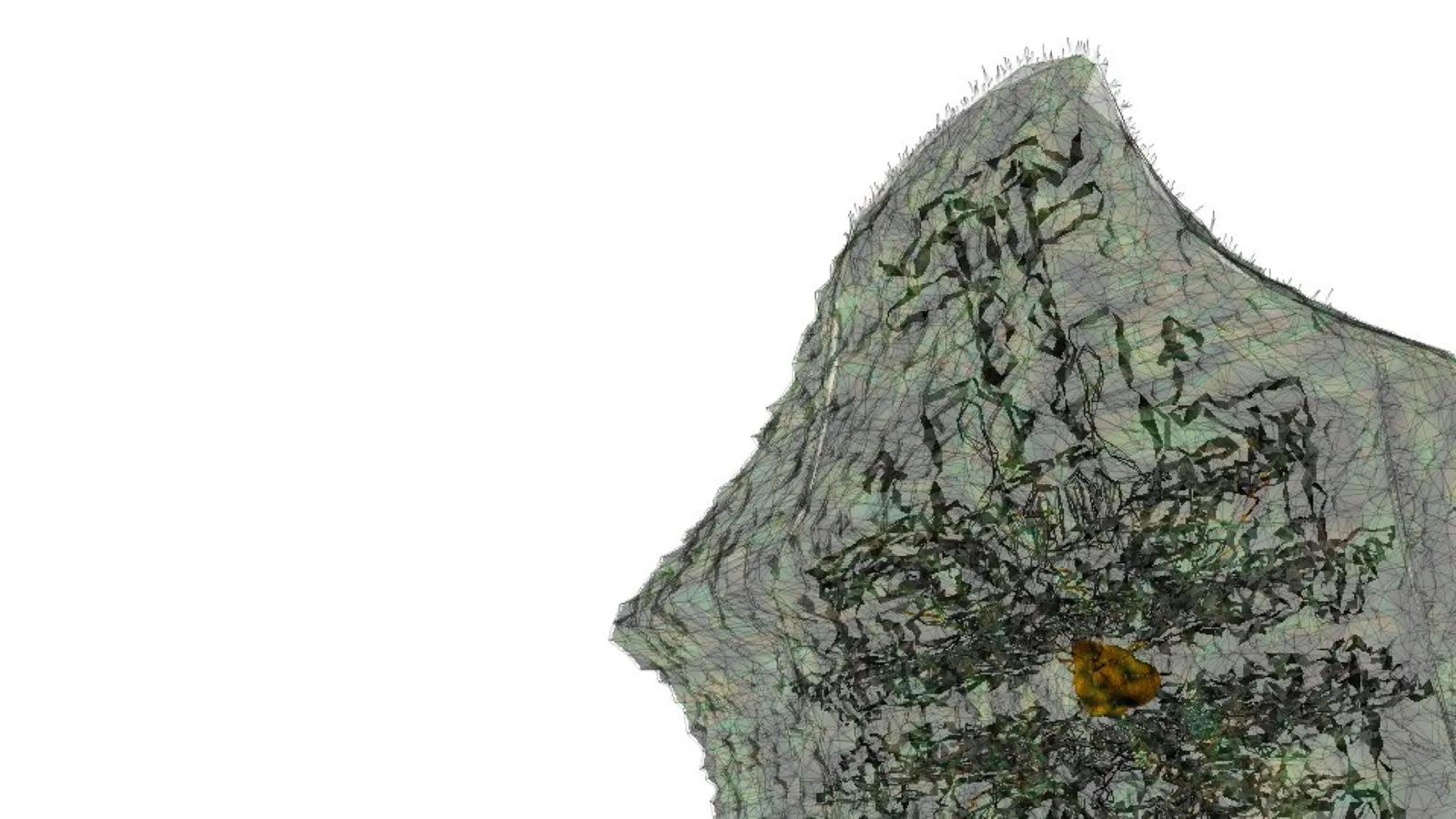
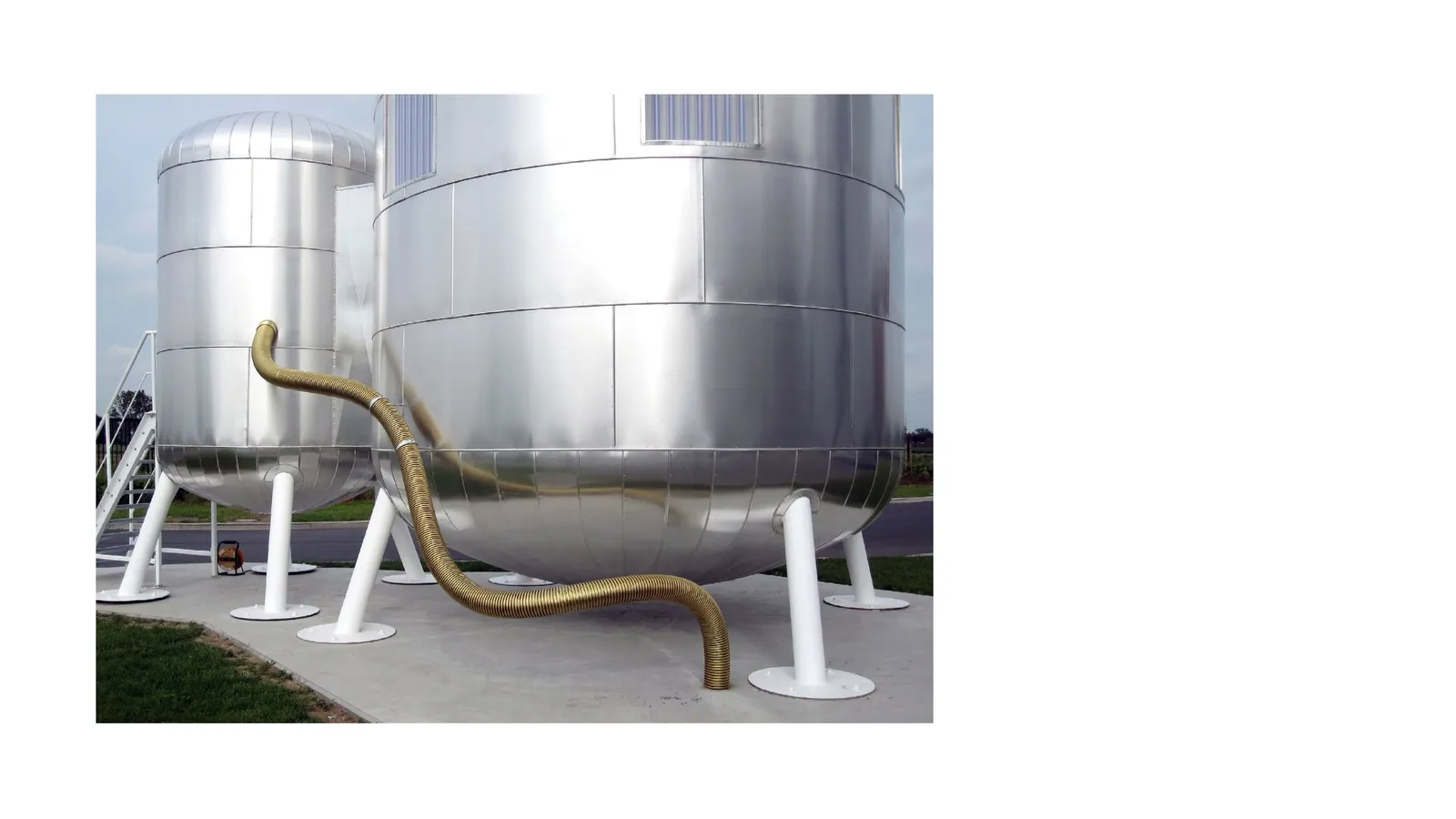
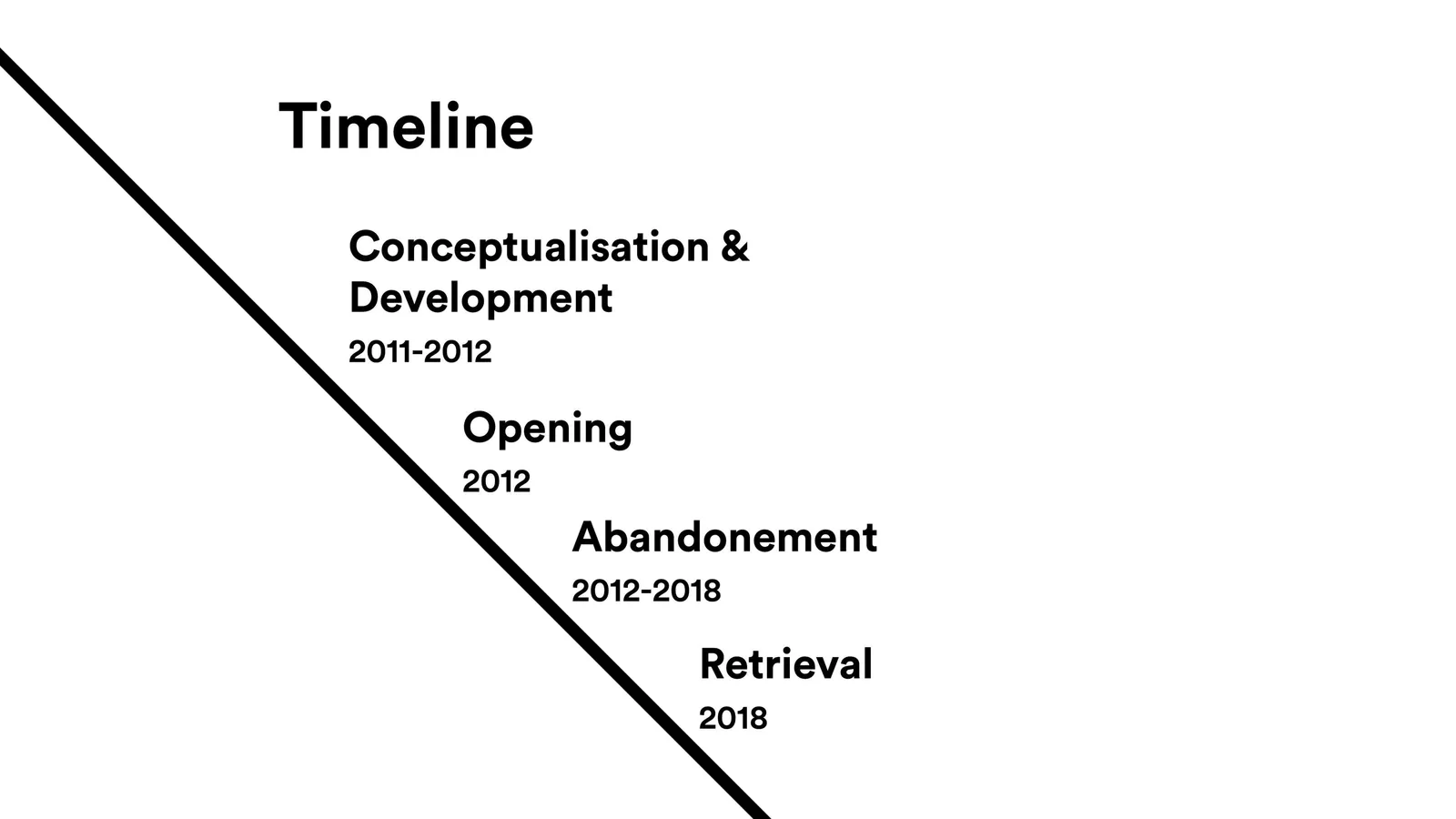
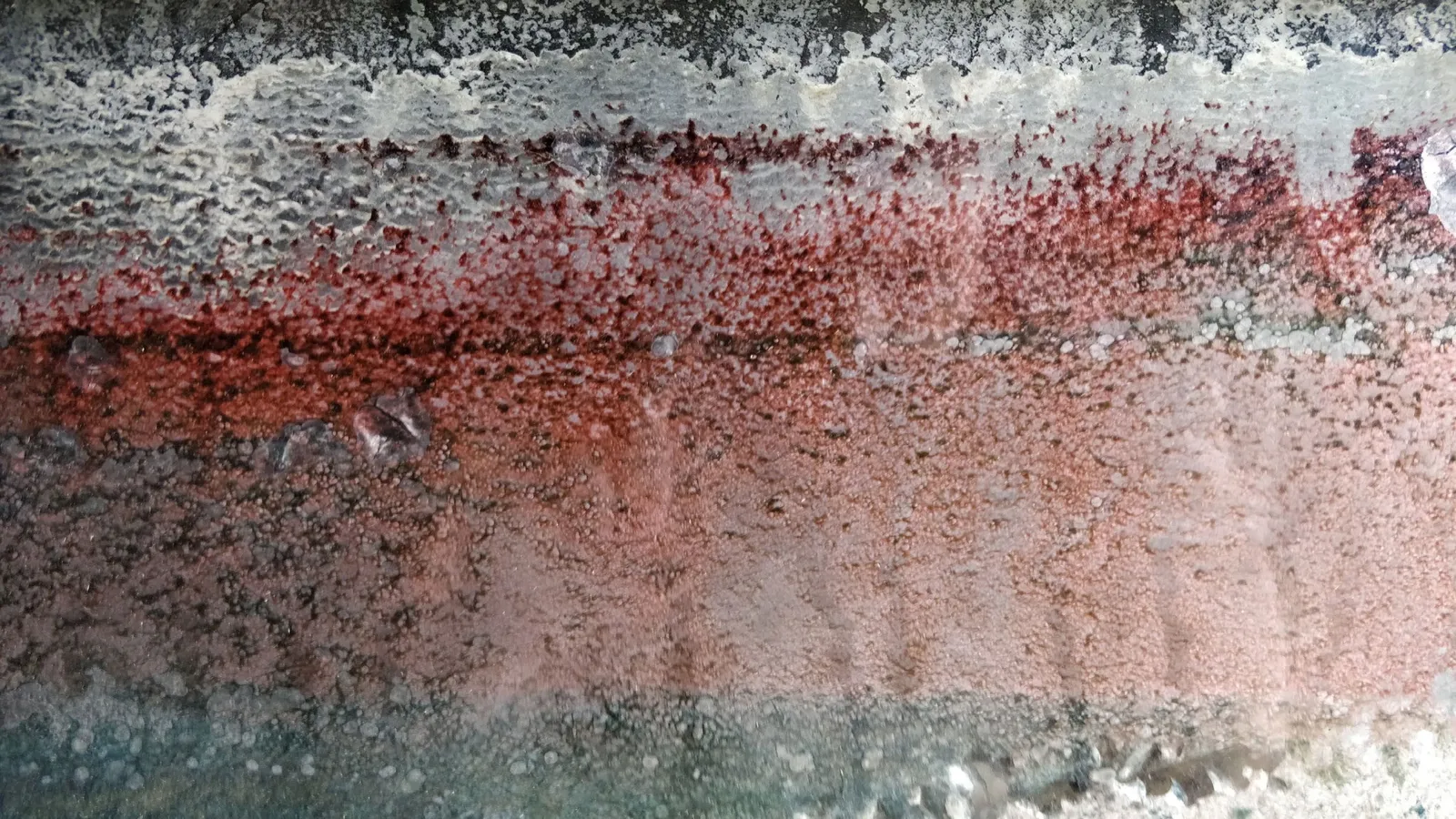
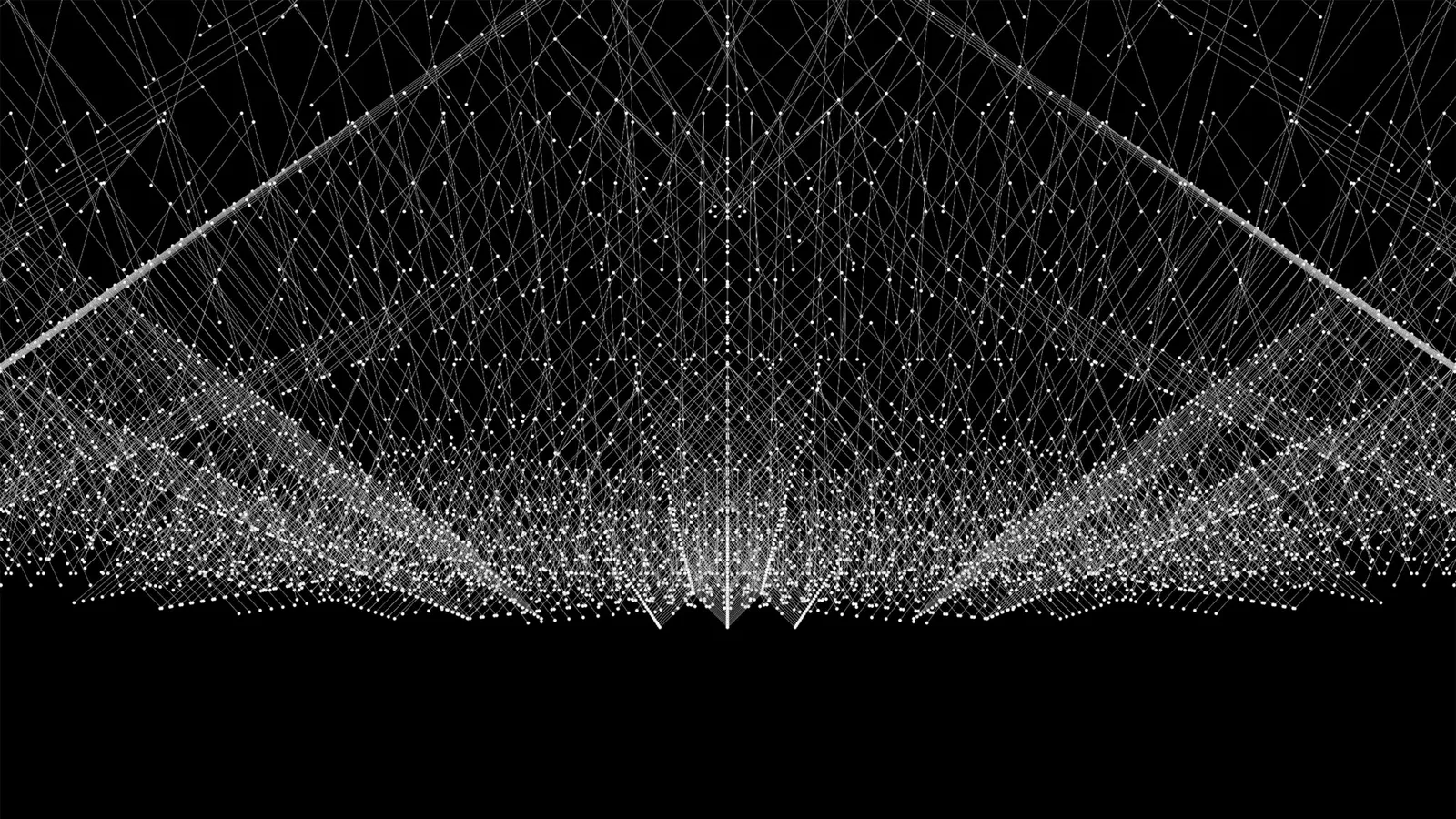
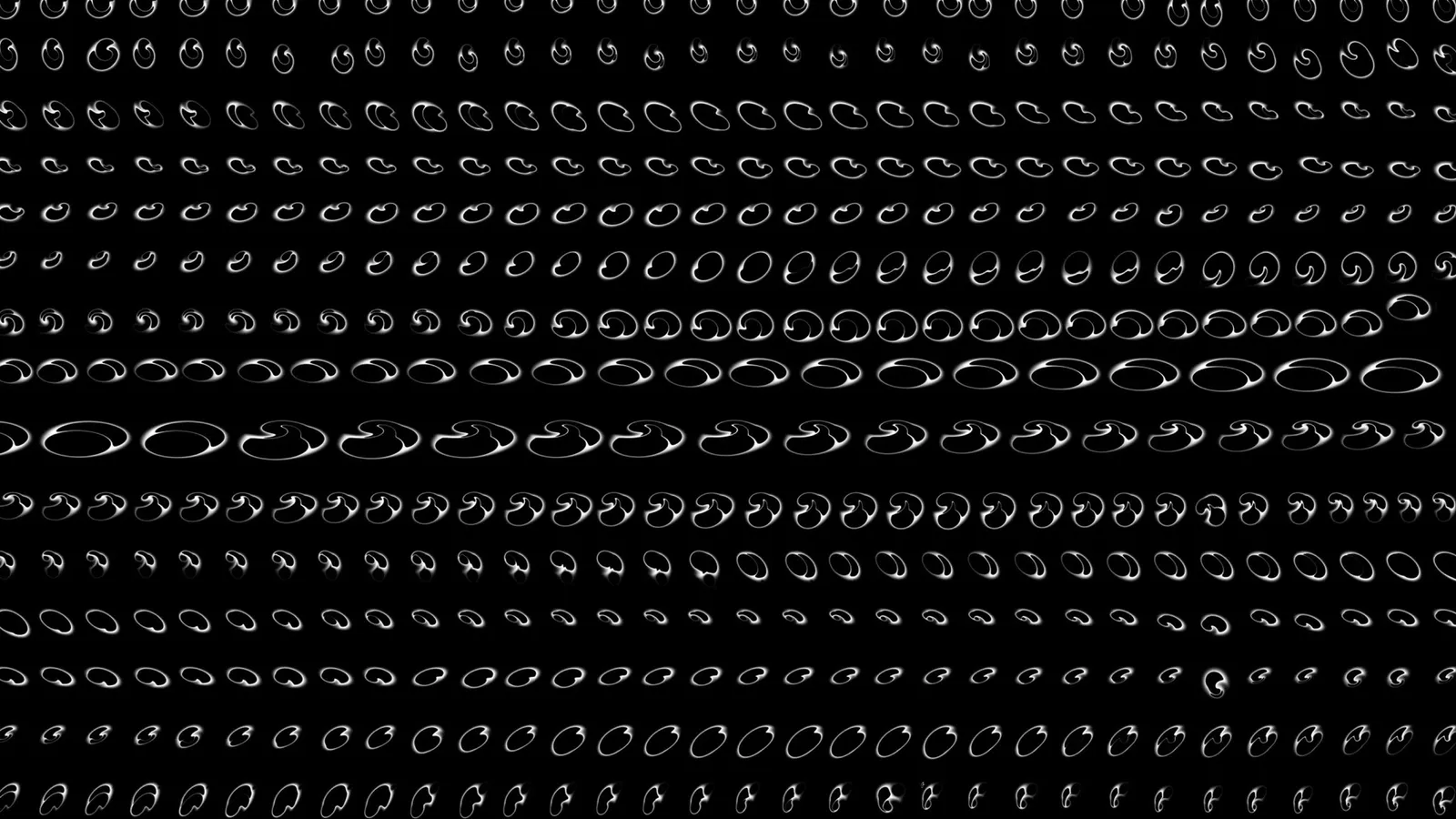
What happens when an artist abandons their artificial life-like creation for six years? The field of computational artificial life is rooted within a rapidly expanding technological realm, resulting in challenging possibilities and an equally compelling set of critical questions. This presentation focuses on one of these questions; how to deal with excavating remnants of a computational entity that has been abandoned. We will present both conceptual and technological aspects concerning this subject by exploring the H4aC (Habitat for a Commensal) project that came to be in 2012. The installation is a semi-public sculpture positioned in a rural area next to a biomass power plant in the town of Oostrozebeke, Belgium. It was conceived as a space architecture-inspired structure which accommodates an artificial life form. The generative entity existed in an ongoing evolutionary state. This state was triggered by an algorithmic environment and fed by a multitude of datastreams pulled from the energy plant. As such the morphology of the virtual organism served as a repository for the power plants’ history of activity. The machine which generated the computational artificial life was retrieved in 2018. Up until then it served as a breeding ground for countless evolutionary cycles during which the organism thrived for years. The life-like creatures’ behavioral and structural blueprints - its digital genetic code - was stored on the machine’s hard drive with each mutation. This presentation will demonstrate critical insights that result from the reconstruction of computational artificial life residing within the H4aC sculpture. Revisualising the phylogenetic path of the bio-inspired organism came with technical challenges, for example the differences between the current technological context and the one when the installation originated. Tackling these technological problems required a journey through digital media archaeology, but also gave rise to insights on notional aspects of abandoning artificial life. Towards what extent do artists and scientist need to develop a responsibility for the artificial life that they use as a medium for their work? For these reasons and more the presentation will outline a tentative framework, extrapolating findings which are potentially representative for the broader field of artificial life and computational poetics.